
Understanding the keno feature online AUD landscape requires a clear view of how digital lobbies organise number draws alongside broader entertainment options. Players across Western Sydney often treat these games as a casual break between sports bets or live matches, valuing speed and transparency over flashy mechanics. The experience hinges on lobby clarity, draw frequency, and how well the platform separates keno from unrelated table content. A well-structured lobby lets you spot odds, ticket limits, and payout tables without digging through menus. That practical clarity matters more than promotional noise, especially when you are deciding where to place a modest ticket during an arvo session.
Navigating the Game Lobby and Draw Setup
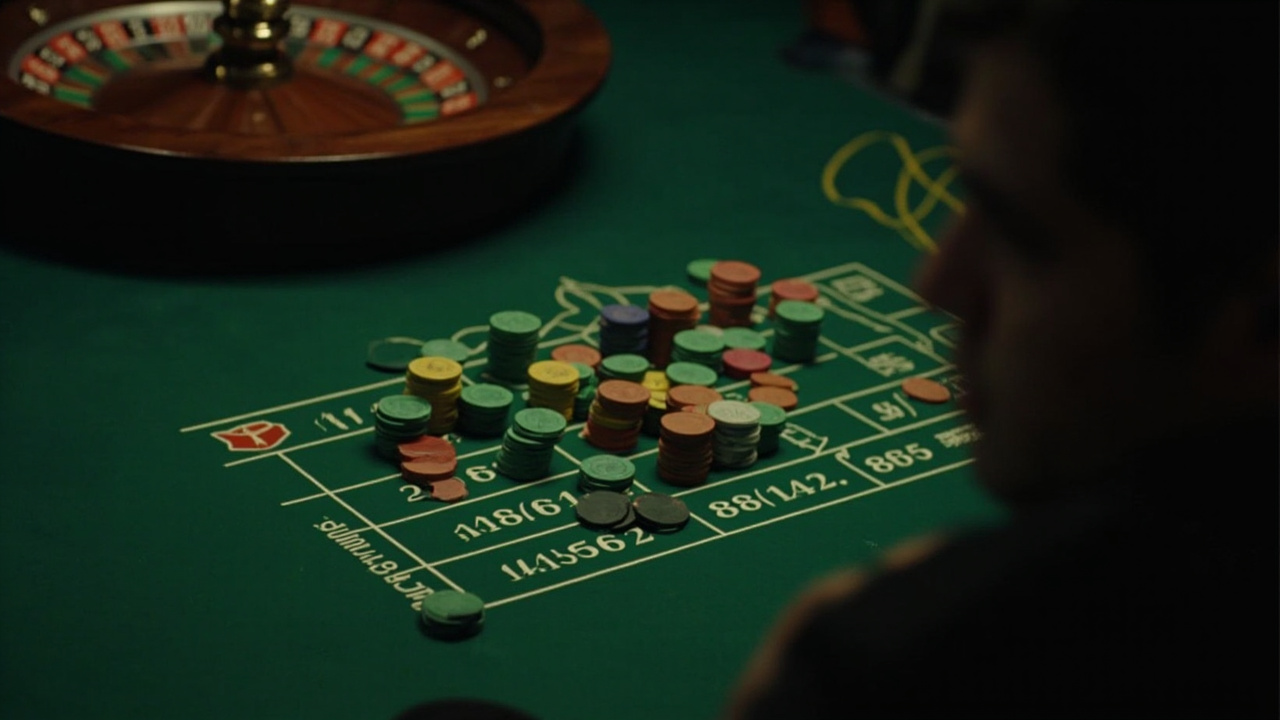
A functional lobby separates keno from slots and live dealer tables so you do not waste time filtering through unrelated content. The grid should surface draw intervals, ticket maximums, and payout tiers in plain view, with search and category filters that actually narrow results rather than just reshuffling the same rows. Providers typically supply the underlying number-generation logic, while the operator layers on local currency display, bet sliders, and auto-play toggles. When the lobby organisation is clean, you can compare a standard five-spot ticket against a multi-draw session without guessing how the maths changes. The commercial reality is that operators treat keno as a retention tool between higher-intensity bets, so the lobby must feel predictable rather than cluttered. A good layout shows recent draws, available ticket sizes, and the next drop countdown in one glance, which reduces friction for players who want a quick play rather than a lengthy setup routine.
Draw Mechanics and Ticket Structure
Keno draws follow a fixed number pool, usually twenty picks from eighty, and your ticket defines how many spots you mark along with the corresponding payout table. The feature online AUD format keeps the core mechanic identical to land-based machines, but the digital ticket slip adds bet multipliers, consecutive draw scheduling, and quick-select patterns for players who prefer speed. Payouts scale with the number of matches, so a three-spot ticket pays differently from a ten-spot ticket even when the draw odds stay constant. The interface should display the paytable before you confirm, because once the ticket is locked, the outcome is determined by the next random selection. Operators often offer auto-bet features that repeat the same selection across a set number of draws, which suits players who want consistency rather than manual re-entry. The key is checking the per-draw stake and the total session limit before activating any repeat function.
Currency, Bets, and Payout Display
Australian players expect AUD pricing throughout, with bet sliders that move in clear increments and payout tables shown in the same currency without hidden conversions. A well-built ticket screen lists the stake per draw, the total potential return for each match tier, and the house margin implied by the paytable. The display should not require you to open a separate help page to understand how a five-out-of-ten result translates into a credit return. Payment routes into the account typically include card entries, trusted e-wallet paths, and local deposit methods that settle in AUD, while withdrawals follow the same currency path so you are not left converting funds at market rates. Registration usually asks for standard identity details so the operator can run age and location checks before the first ticket is played. The commercial setup matters here, because a lobby that hides stake increments or payout tiers behind multiple taps will frustrate players who want a quick, transparent read on their risk.
Responsible Play and Session Limits
Keno moves quickly, and the repeat-draw functions can turn a short break into a longer session if you do not set boundaries upfront. Most platforms offer deposit limits, loss alerts, and session timers that you can adjust from the account settings rather than hunting through promotional menus. A practical approach is to decide your total ticket budget for the session before you open the lobby, then treat any auto-play feature as a convenience rather than a way to extend play indefinitely. The feature online AUD environment should make it easy to pause, review your remaining balance, and step away without navigating a maze of pop-ups. That design choice reflects how mature operators think about retention, because a player who understands the pace and the cost per draw is more likely to return on their own terms. If you want a broader look at how themed slot stories compare with number-draw pacing, the write-up on Cinema-Themed Slots: Stories, Features, And Casino Play offers a useful contrast.
Player Fit and Practical Expectations
Keno suits players who want a fast, low-setup number game with clear ticket tiers and frequent draws, rather than those chasing complex bonus rounds or live dealer interaction. The lobby should feel organised enough that you can read the paytable, set your stake, and place a ticket without second-guessing the interface. If you prefer a quick session between other activities, the auto-draw and quick-select tools can save time, provided you keep the per-draw stake within a range you are comfortable with. The platform’s AUD display, local payment routes, and straightforward registration flow matter because they reduce friction and keep the focus on the draw itself. Players in Western Sydney who want a predictable break between sports action or media viewing often find this format fits that gap well, as long as they treat it as paid entertainment with known odds rather than a strategy game.

If you are new to the format, start with a small ticket size and mark fewer spots so the payout table is easier to read. Choose a single draw first rather than a multi-draw auto sequence, and note the next draw countdown so you understand the pace before committing. Check the paytable on the ticket screen before confirming, because the return for each match tier should be visible in AUD without opening extra menus. Set a session limit in your account settings before you play, and treat any auto-bet feature as a convenience that repeats your chosen selection rather than a way to extend play. After a few draws, review your remaining balance and decide whether to continue, adjust the stake, or step away for the day.
Odds as a betting term dates to at least the 16th century, and that long history reflects how players have always tried to read chance in plain language rather than abstract maths. Mia Brown, Risk and Integrity Manager, Waratah Digital Group, notes that clear payout display and visible draw timing help players understand what they are buying into before they ripper-pokies.org commit a ticket. The same principle applies to the lobby design, because a transparent paytable and a visible countdown reduce the guesswork that can turn a short session into a longer one. The commercial side matters too, since operators who present keno as a fast, well-organised number game tend to keep players returning for the pace rather than the promise.pointsbet review

- Paytable – the list of match results and corresponding credit returns for a keno ticket.
- Spot – one number marked on a keno ticket, with payouts varying by how many spots you choose.Cinema-Themed Slots: Stories, Features, And Casino
- Draw – a single random selection of winning numbers, usually twenty from eighty.
- Auto-play – a setting that repeats the same ticket selection across a set number of consecutive draws.